


The Lettermen singer Tony Butala passed away on Sunday at 87. He co-founded the Grammy-nominated vocal trio, among the most popular groups of the 1960s, and helped bring its close three-part harmonies to audiences around the world. The group’s early hit, “The Way You Look Tonight,” remains closely tied to its name.
The Associated Press confirmed his death through band media coordinator Tracy Clark, who shared an official statement. No cause of death was given.
Three Voices, Still After the Lettermen Singer Tony Butala Passed Away
After the Lettermen singer Tony Butala passed away, the trio he helped shape kept its defining arrangement. Members changed. The number did not.
It was always three. Butala was the one constant from the start, and the format outlasted the original lineup. Today, Tea, Poynton and Gulack carry it onto the stage. Their voices are their own, and the names on the lineup have changed, but the structure remains familiar: three singers standing together, listening closely, and finding the harmony between them.
Singing Since Childhood
Butala was born in 1938 in Sharon, Pennsylvania. He began singing professionally at seven and appeared on KDKA Radio in Pittsburgh at eight.
At ten, he moved to Los Angeles with his mother and joined the Mitchell Boys Choir. The work also brought film appearances. He appeared in “White Christmas,” “Peter Pan,” “War of the Worlds” and “On Moonlight Bay.” These early performances came years before he helped form the vocal group that would become his best-known work.
Forming The Lettermen
In the late 1950s, Butala co-founded The Lettermen with Jim Pike and Bob Engemann. Their first major hit arrived in 1961, when their version of Fred Astaire’s “The Way You Look Tonight” reached No. 13 on the Billboard Hot 100.
The recording received a Grammy nomination in 1962. At the same ceremony, the group was also nominated for best new artist.
A Decade on the Charts
Over the next ten years, The Lettermen placed 19 more songs on the Billboard charts. Two reached the Top 10. “When I Fall in Love” made the list in 1962, followed by the 1968 medley “Goin’ Out of My Head/Can’t Take My Eyes off You,” which also earned a Grammy nomination.
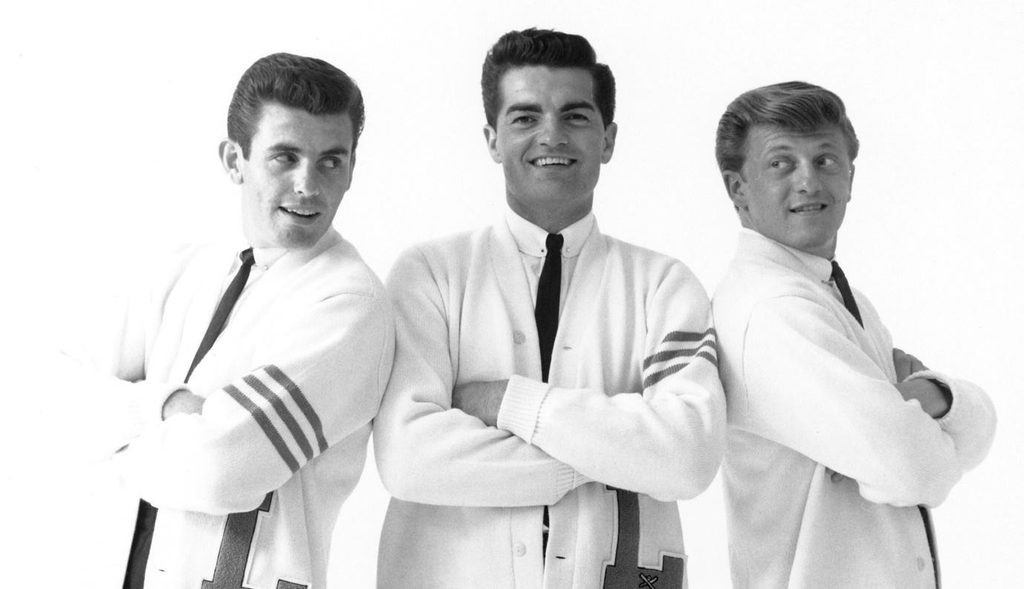
The group’s last chart hit was “Everything is Good About You” in 1971. Touring continued across the decade. The trio played college campuses throughout the United States and performed at venues around the world, taking its harmonies well beyond the records.
Always a Trio
By the time the Lettermen singer Tony Butala passed away, he was the last surviving member of the original lineup. Engemann died in 2013. Pike died in 2019 at 82 from complications of Parkinson’s disease.
The lineup shifted many times as singers left and new members joined. Yet the group kept its three-person format to preserve the sound built around three-part harmony. Its current members are Donovan Tea, Bobby Poynton and Rob Gulack.
Stepping Back
Butala retired from performing in 2019. In 2020, he and The Lettermen received a star on the Hollywood Walk of Fame, honouring the group he had helped create.
Remembered by the Band
The band’s statement called Butala an integral member of the Lettermen family and sent its thoughts to his children, grandchildren, siblings, “the love of his life,” and the Lettermen organization.
“Tony never met a stranger,” the statement said. It also described how “his true joy was entertaining and sharing his music with audiences worldwide.”
There will be no public viewing. Celebrations of life are planned in Wisconsin and California, with dates to be announced.
Three Voices, Still After the Lettermen Singer Tony Butala Passed Away
After the Lettermen singer Tony Butala passed away, the trio he helped shape kept its defining arrangement. Members changed. The number did not.
It was always three. Butala was the one constant from the start, and the format outlasted the original lineup. Today, Tea, Poynton and Gulack carry it onto the stage. Their voices are their own, and the names on the lineup have changed, but the structure remains familiar: three singers standing together, listening closely, and finding the harmony between them.