

Canada has a fascinating mix of history, geography, cultures, wildlife and communities. For children, learning about these subjects does not have to involve reading lengthy textbooks. The right book can introduce a place or idea through colourful illustrations or an age-appropriate story.
From picture books about Canadian symbols to titles exploring national history, there are plenty of options for families looking to introduce children to Canada. Keep reading to find out the best recommendations that will offer your children a beautiful overview of this country.
The Popular Children’s Book About Canada
Younger children can start with the following simple books that introduce Canadian places and symbols without overwhelming them with information.
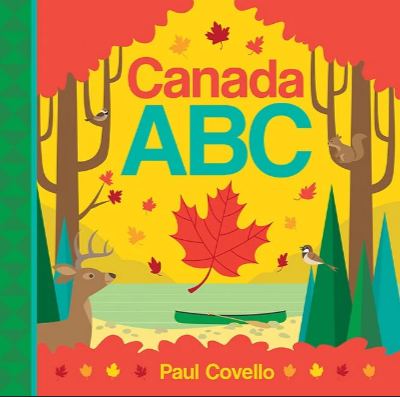
1. Canada ABC: An Introduction for Young Readers
Canada ABC by Paul Covello uses the alphabet to introduce Canadian-themed words, places and ideas. Its simple format makes it suitable for young children who are beginning to recognize letters while also learning about their country.
2. My Canada: An Illustrated Atlas
My Canada: An Illustrated Atlas by Katherine Dearlove and Lori Joy Smith offers a more visual introduction to the country for young minds who enjoy maps and pictures.
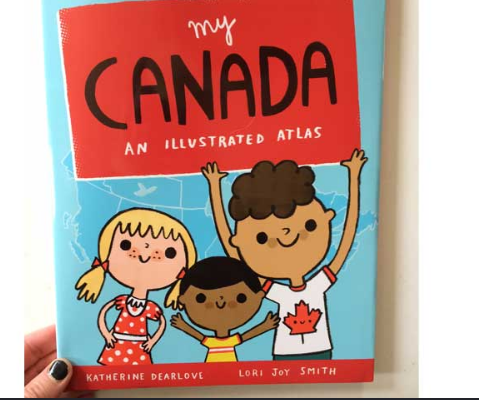
The visual approach also shows why children’s book illustration Canada plays such an important role in making geographical subjects accessible. A well-designed illustration can help a child picture a landscape or landmark that they have never visited.
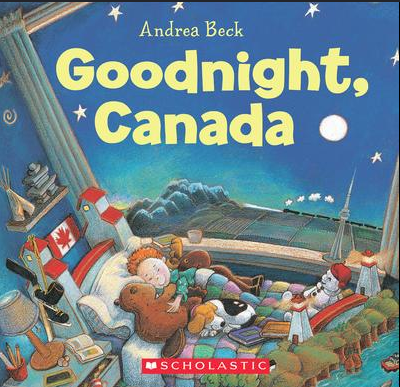
3. Goodnight, Canada: Exploring the Country Through a Story
Goodnight, Canada by Andrea Beck takes young readers on a journey through Canada’s provinces and territories. The book introduces different parts of the country through a gentle bedtime story instead of presenting geographical information as a list.
4. Carson Crosses Canada
This is another one of the books about Canada for kids that explores a cross-country adventure.
The story Carson Crosses Canada is written by Linda Bailey and illustrated by Kass Reich, and follows Annie and her dog Carson as they travel across the country. The journey provides a natural way to introduce children to different Canadian regions and landscapes.
5. Wow Canada!: A Journey Across the Country
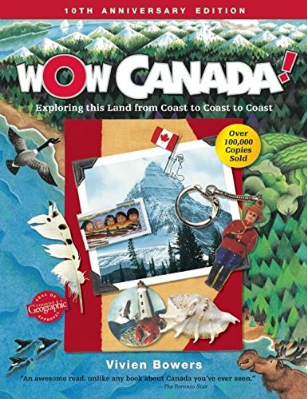
Wow Canada!: Exploring This Land from Coast to Coast to Coast by Vivien Bowers follows an 11-year-old travelling across Canada.
The journey provides opportunities to explore provinces, territories, landscapes and aspects of Canadian history. It can therefore work particularly well for children who want something more detailed than a simple picture book.
6. The Kids Book of Canadian History
The Kids Book of Canadian History by Carlotta Hacker and John Mantha is for children ready to explore the past in greater detail.
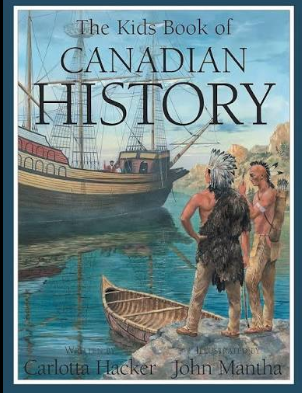
The book covers subjects including First Nations traditions, the Canadian Pacific Railway, Vimy Ridge and the contributions of women during the Second World War. Timelines, maps, profiles and fact boxes give children different ways to approach historical information.
This type of reference book can be useful because it covers multiple periods and themes rather than focusing on a single historical event for parents searching for books to teach kids about Canadian history.
7. Canada Year by Year
Canada Year by Year by Elizabeth MacLeod and Sydney Smith takes a chronological approach to Canadian history.
The format allows children to see how events developed over time rather than treating historical moments as isolated facts.
8. I Am Not a Number
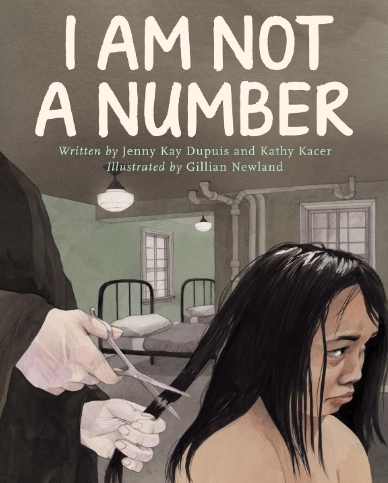
I Am Not a Number by Jenny Kay Dupuis and Kathy Kacer, illustrated by Gillian Newland, also addresses the residential school experience.
The story follows a young First Nations girl who is taken away from her family and sent to a residential school. It introduces children to the personal impact of these institutions rather than presenting the subject only through dates and statistics.
Remember, all of these books are just a starting point. Browsing books from the top children’s publishers in Canada can also introduce families to authors and illustrators working across different genres.
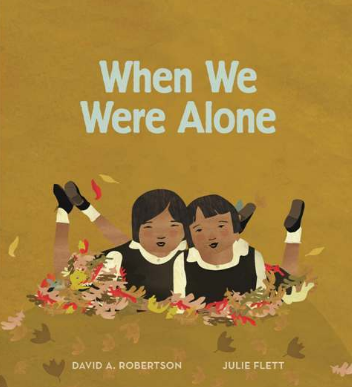
9. When We Were Alone
Canadian history also includes difficult subjects that need to be introduced thoughtfully.
When We Were Alone by David A. Robertson, illustrated by Julie Flett, explores the residential school experience through a conversation between a young girl and her grandmother.
The book provides an age-appropriate way to begin discussing a painful part of Canadian history, while also focusing on identity and cultural traditions.
10. The Day I Became a Canadian: A Citizenship Scrapbook
Citizenship is another part of Canadian identity that children can explore through books.
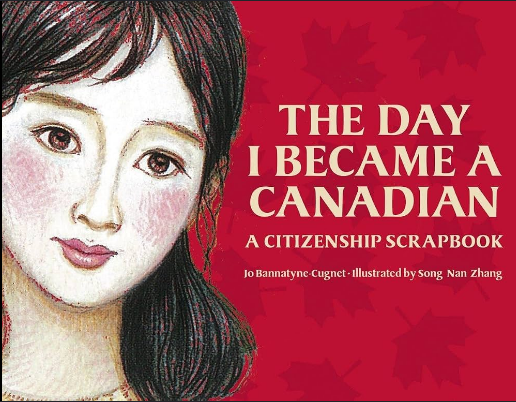
This book by Jo Bannatyne-Cugnet and Song Nan Zhang follows Xiao Ling Li and her family as they prepare for a Canadian citizenship ceremony.
The scrapbook format makes the subject approachable for children. It also creates an opportunity to discuss what citizenship means, why people choose to become citizens and how families can experience the process differently.
For parents looking for Canadian children’s books about citizenship, this title offers a personal perspective rather than simply explaining citizenship as a set of formal requirements.
What About Canadian Comics?
Books are not the only format that can introduce children to Canadian stories, as graphic storytelling can also make reading more accessible for children who enjoy visual narratives.
The work of Canadian comic book publishers forms part of the country’s wider illustrated storytelling culture. Comics can combine dialogue, artwork and action in a way that may appeal particularly to reluctant readers.
They can also show children that Canadian stories do not have to be presented in a traditional textbook format.
FAQS
1. How can teachers incorporate children’s books from Canada into their curriculum?
Teachers can connect the books to assignments like mapping exercises, timelines, group discussions, and writing and research activities. A single book could thus be used to form the basis of lessons covering several disciplines.
2. Do these books cater to all kinds of readers?
Yes, but it depends on the child. Children just learning to read might enjoy picture books, while illustrated atlases, reference books and books about history would present greater challenges to other older children.
3. Would the reading of these books make children interested in Canadian literature?
Yes. The reading of works written by Canadian authors and illustrators would expose the children to various literary forms, topics, and perspectives. This may inspire them to read further Canadian fiction and nonfiction.
Wrapping Up
Books for children can present Canada through tales, maps, personal experience, and illustrations; thus, offering different ways to provide an understanding of the country. Some of them are Canada ABC, Goodnight, Canada, and My Canada, which can be useful when helping young readers discover Canadian symbols and geography.
Meanwhile, The Kids Book of Canadian History and Canada Year by Year will offer additional information about history. When We Were Alone and I Am Not a Number can open up an appropriate discussion of the experiences of Indigenous people, and The Day I Became a Canadian tells about citizenship from a family perspective.