
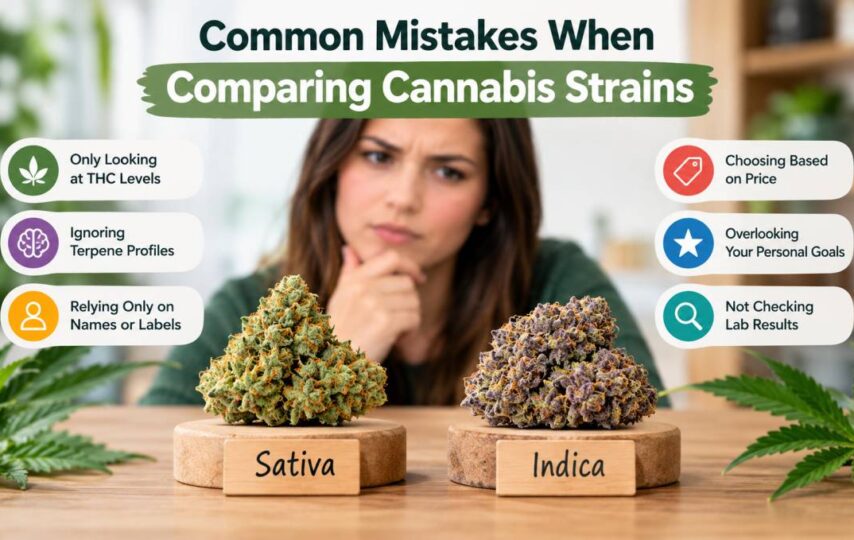

A strain name and a THC number make a quick comparison, but they leave out useful details about the current batch. Relying on that shortcut can create mismatched expectations, especially when you’re considering bulk cannabis.
Chasing the highest THC number
It’s easy to sort a menu by THC and assume the top number represents the best choice.
The problem is that one potency figure doesn’t describe aroma or cure. Labels that list THC and CBD together give you a fuller starting point than THC on its own, and personal response varies enough that a friend’s pick is no promise for you. Two lots with the same THC can smell different and burn differently from one another.
Buyers who compare well keep the fields consistent. They check THC and CBD for that specific lot, along with the current batch date and package size. They don’t mix a general strain average from one listing with batch-tested numbers from another.
That’s a habit worth keeping.
Keep the limits of the information in mind. A precise-looking number on a menu still doesn’t tell you exactly how you’ll respond. Check whether a listing shows a range, an older result or the current package label before treating two figures as directly comparable. If the reporting formats differ, ask staff to explain them rather than guessing.
Trusting indica and sativa to predict effects
Indica and sativa sound like a simple guide. One tag is linked with calm nights and the other with bright days in casual talk.
Those tags are broad marketing descriptions, not a guarantee of personal effects. Shops can apply them in different ways, and two products with the same tag can list very different THC and CBD numbers as well as different aroma notes. They’re loose sorting aids at best.
A better move is to read what is printed for that lot and save your own notes. If you liked a citrus smell over an earthy smell last time, write that down with the product name and batch details. Over time your own pattern beats the tag.
Don’t let the tag override label facts. When taste preference matters most to you, an indica tag with an aroma profile you enjoy makes more sense than a sativa tag with modest aroma notes you don’t enjoy.
Skipping terpene and CBD details on the label
Many comparisons stop at THC and skip the rest of the label. That leaves out information that helps explain why two strains smell and taste nothing alike.
Terpenes relate to smell and taste. CBD content is listed beside THC on many packs. Neither replaces THC, but both help you tell products apart when names blur together. Treat aroma as a matter of personal preference, without assuming it promises a particular feeling.
When you line up catalogue descriptions side by side, understanding cannabis strains comes down to comparing current THC and CBD figures and label notes in the same format rather than trusting names alone. Package size matters here too, since bulk cannabis listings can vary in how they present the same lot.
That side-by-side habit matters more with bulk cannabis because small differences scale up. A dry lot or a flat aroma profile is easy to overlook in a small pack and hard to ignore across a larger stash you plan to store. Comparing the same fields every time makes it easier to spot a listing with missing data before you choose.
Assuming a name means the same product every time
A strain name sounds fixed. The product behind it can vary.
A familiar name doesn’t replace the current product label. Growing conditions and post-harvest handling can vary between lots, so save the batch details when recording a product you liked. Even trichome colour and density, which some buyers watch closely, cannot establish safety or potency from a photo. Check the information tied to the jar or bag in front of you.
Don’t rely on a single old lab result repeated across multiple listings. Ask what testing information is available for the current lot and whether the reports cover the same measurements. A terpene report and a contaminant screen answer different questions. Not every retailer posts a full laboratory report, so ask staff to explain the package information and any supporting documents.
Check that the retailer is authorized where you live. Pretty photos, marketing claims or reviews do not establish that.
Judging quality from photos alone
Photos reward big, frosty buds with tight trim. Those traits look great online and tell you little about cure.
Post-harvest handling and storage deserve attention alongside appearance. A close-up won’t show you the full condition of the flower when it arrives. Ask about packaging dates, storage directions and the seller’s process for handling product complaints. If you suspect mould or contamination, do not consume the product to test its quality. Contact the retailer about the concern; smell and appearance cannot establish safety.
Handling a small sample first tells you more when that’s an option. Note how it grinds and how it smells after the grind. Keep those notes alongside the batch codes and THC and CBD numbers so your next comparison starts with a record you can refer back to rather than memory.
Good comparisons are boring on purpose. Current paperwork and your own notes beat names and THC bragging rights every time.