

Image credit: Recloak
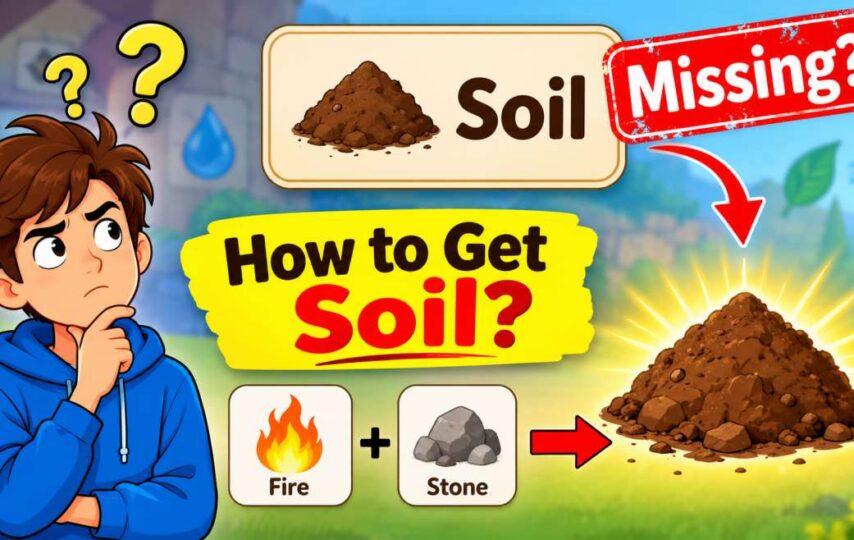
Looking for How to Get Soil in Little Alchemy? There is one problem. Soil does not exist in the original game, and no combination will produce it. Little Alchemy 1 has 580 elements, but this particular item is missing from its collection.
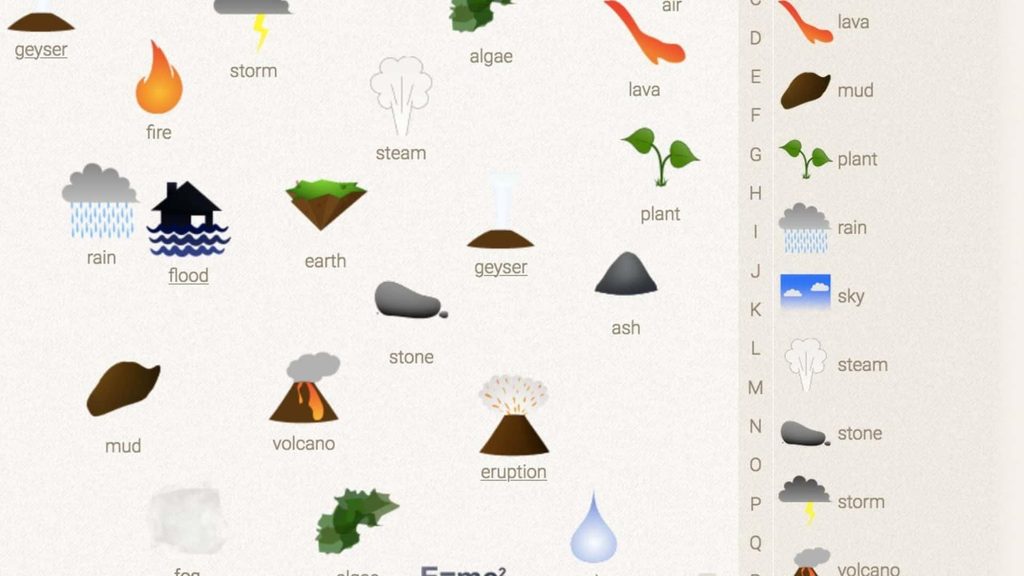
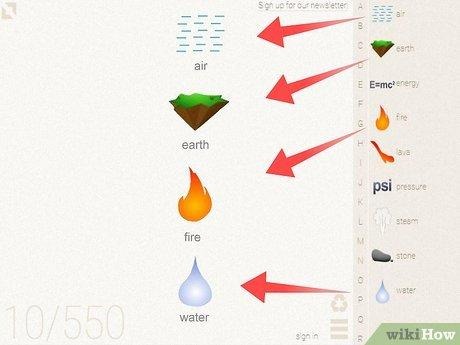
The confusion is understandable. Plenty of online guides list recipes for making Soil, but those combinations do not work in the first game. Little Alchemy 1 starts with four basic elements: Air, Earth, Fire and Water. You can combine them to create hundreds of new items, just not Soil.
Soil does exist in Little Alchemy 2, where Earth + Life makes it. The original game has different rules.
Fortunately, you can make several other elements that serve similar purposes. Mud, Clay and Dust are your closest alternatives.
The Recipes That Don’t Work
You might come across guides suggesting that Earth + Plant, Rain + Earth or Mud + Sun will produce Soil. Save yourself the trouble. None of these combinations creates the missing element in Little Alchemy 1.
In fact, Earth + Plant produces Grass. That is a perfectly valid result, but it won’t give you the dirt you came looking for.
The problem with these recipes is simple. They often mix information from different versions of the game. A combination that works in Little Alchemy 2 does not automatically work in its predecessor.
If a guide promises a working Soil recipe for the first game, it is giving you incorrect information. Try the alternatives below instead.
The Closest Things to Soil in Little Alchemy 1
Although the original game has no Soil element, three creations come reasonably close. Each represents a different aspect of the material you might be trying to create.
Mud
This is your easiest option. Mud requires only the two starting elements you already have.
Earth + Water = Mud
One combination is all it takes. Mud gives you something close to wet, loose earth, and it opens the door to several useful creations later in the game.
If you want a practical replacement for Soil, start here.
Clay
Clay takes a little more work because you first need Sand. You can create Sand through a short chain of combinations, beginning with the original four elements.
First, make Lava and turn it into Stone. Then combine Stone with Air to get Sand.
Earth + Fire = Lava
Air + Lava = Stone
Air + Stone = Sand
Once you have Sand, combine it with Mud.
Mud + Sand = Clay
Clay is a useful alternative when your next creation involves pottery or building materials. It also gives you another route towards making Brick.
Dust
Dust is another simple substitute, although it represents the drier side of earth.
Air + Earth = Dust
Unlike Mud and Clay, Dust does not require a chain of earlier creations. Combine two starting elements and you have it.
It is a useful ingredient for a few other combinations, so keep it in your collection.
What the Substitutes Can Make
Finding alternatives is only half the job. The real benefit comes from using them to create other elements.
Mud is particularly useful. Combine it with Plant to make Swamp. If you don’t already have Plant, you can create it using Rain. Start by mixing Air and Water to produce Rain, then combine Rain with Earth.
Mud + Plant = Swamp
Swamp can lead to an even bigger discovery. Combine it with Energy to create Life. You can make Energy by mixing Air and Fire.
Swamp + Energy = Life
Clay and Mud also offer a route into building materials. Both can be combined with Fire to produce Brick.
Mud + Fire = Brick
Clay + Fire = Brick
There is another result worth trying with Clay. Fire transforms it into Pottery.
Clay + Fire = Pottery
Sand has its own uses. If you need Glass, combine it with Fire.
Sand + Fire = Glass
Finally, Dust can produce something rather different. Add Fire, and you get Gunpowder.
Dust + Fire = Gunpowder
These combinations give you plenty of room to experiment without needing the missing element.
If You’re Stuck
Little Alchemy 1 has a simple mixing system, but a few basic rules can save you time.
First, you can combine only two items at once. You cannot drag three elements together and expect the game to process them as a single recipe. Build your combinations one step at a time.
Second, try mixing an element with itself. Some combinations produce new results, while others do nothing. For example:
Air + Air = Pressure
It is an easy experiment, and you may discover results you would otherwise overlook.
Still running out of ideas? The official cheat list at littlealchemy.com/cheats shows the game’s combinations. You can use it to check recipes instead of repeatedly testing combinations that have no result.
Conclusion of How to Get Soil in Little Alchemy 1
There is something amusing about a game built around creating the world from four basic elements leaving out something as ordinary as dirt. Little Alchemy 1 gives you fire, water, air and earth, then refuses to put them together into Soil. Perhaps the developers had other priorities.
At least you don’t need to abandon your experiments. Mud does most of the work you probably wanted Soil to do, and making it takes only one combination. Start there. You can build towards Swamp, Life and Brick without hunting for an element that simply isn’t in the game.
FAQs
1. How many elements are there in Little Alchemy 1?
Little Alchemy 1 contains 580 elements. These include basic materials, living things, objects and more unusual discoveries. You begin with four elements and gradually expand your collection by combining them. The absence of Soil is one of the differences players may notice when following guides written for other versions.
2. Can you transfer elements from Little Alchemy 2 to Little Alchemy 1?
No. The two games have separate element collections and crafting systems. Discoveries made in Little Alchemy 2 do not carry over into the original game. Even when both versions contain similarly named elements, their available combinations can differ. You must discover the recipes supported by the version you are playing.
3. Is Little Alchemy 1 different from Little Alchemy Classic?
Little Alchemy Classic is another name commonly associated with the original game. Players may encounter different labels for it across websites and game platforms. When checking a recipe, pay attention to the version being discussed. A guide covering Little Alchemy 2 may contain combinations that cannot be used in the original game.
Meta description
How to Get Soil in Little Alchemy explained, including why the element is missing and which alternatives you can use instead.