
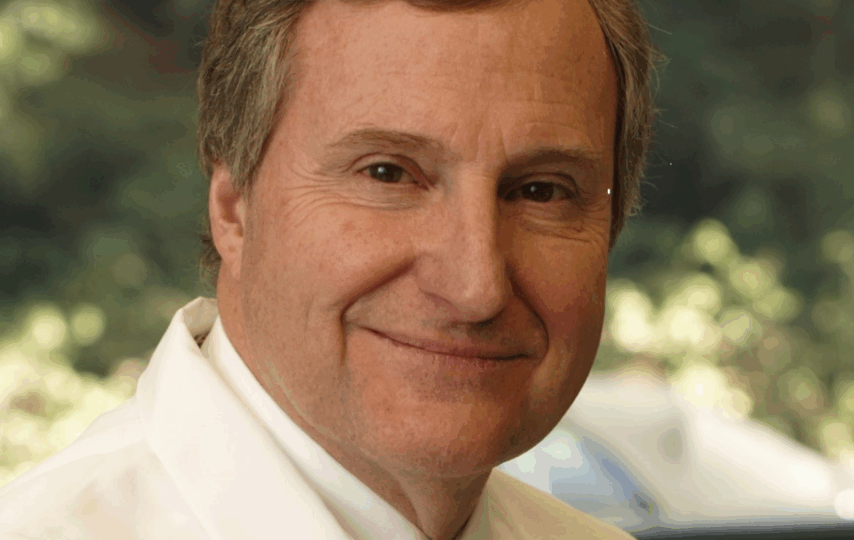

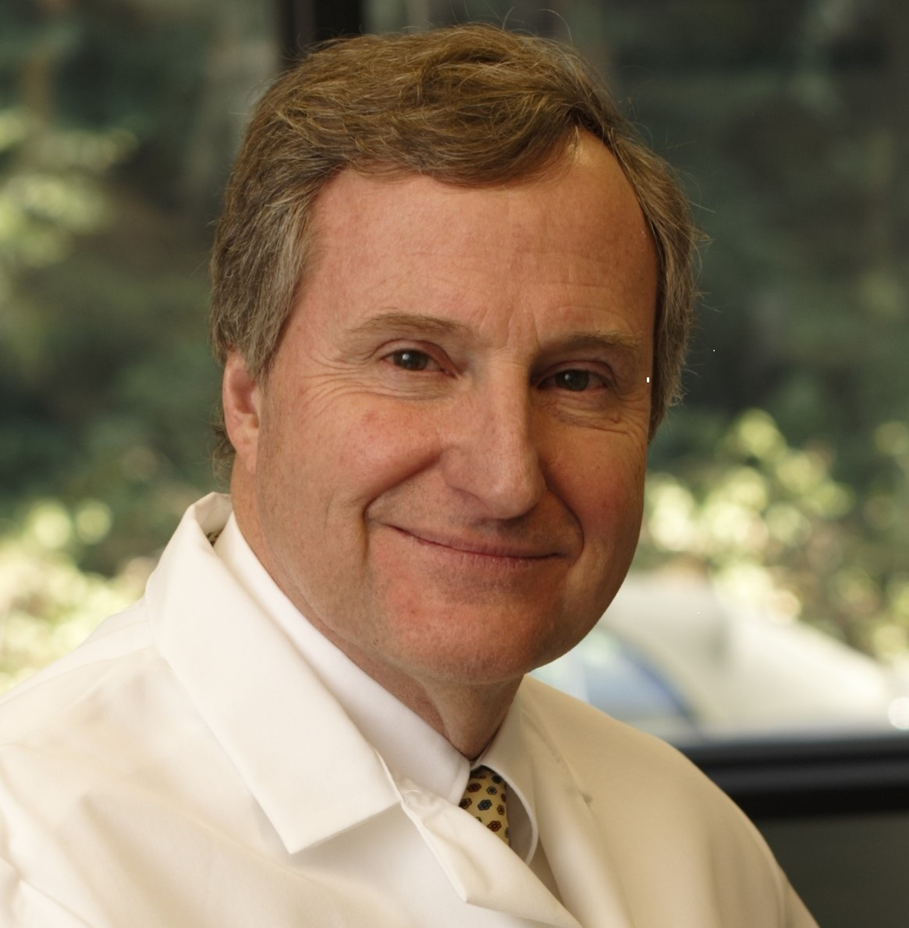
For most researchers, publishing a paper is the finish line. For Steven Quay, it has always been the starting point. In the scientific world, breakthroughs often get lost between the lab bench and the bedside, but Quay has built a career out of moving ideas into action. His story is less about prestige and more about persistence. It is about finding ways to translate complex science into accessible, effective tools for patients.
Understanding the Gap Between Discovery and Delivery
In biomedical research, the journey from innovation to application is notoriously difficult. Countless promising therapies stall before reaching clinical trials. Even fewer secure FDA approval. Part of this is due to the complexity of biological systems, but another part comes from how the research ecosystem is structured. Academics are often rewarded for publishing, not for commercializing or scaling their work.
Steven Quay recognized this early in his career. After completing his medical and doctoral training at the University of Michigan and working under Nobel laureate H. Gobind Khorana at MIT, Quay was acutely aware of how much knowledge sits unused. He knew that impactful science must do more than deepen understanding. It must reach people in tangible ways.
Salutar: Imaging as a First Frontier
One of Quay’s earliest ventures was Salutar, Inc., a company focused on improving MRI diagnostics. During the early 1980s, MRI technology was gaining traction, but there were no available contrast agents for this new imaging modality. Quay invented and helped develop the first nonionic gadolinium-based agents, which became widely adopted for their improved performance and lower toxicity.
This wasn’t just a technical improvement. It was a clinical one. Better contrast agents meant earlier and more accurate diagnoses, especially for multiple sclerosis and brain cancers. For patients, this translated to faster treatment and better outcomes. By the time Salutar was acquired by a leading medical technology company, GE Healthcare, Quay had already demonstrated that academic research could become a viable product with broad medical utility.
Moving into Ultrasound: A New Medium, Same Mission
After Salutar, Quay didn’t rest. He founded SONUS Pharmaceuticals in the early 1990s, focusing on contrast agents for ultrasound imaging. The company developed the patents for Optison, a microbubble-based agent that helped clinicians visualize blood flow and organ structures with much greater clarity. Once again, the science was strong, but what made the difference was the follow-through. The product secured FDA approval and was later marketed by GE Healthcare.
SONUS wasn’t just about imaging. It was about making imaging better for clinicians and more useful for patients. That focus on practical impact has remained consistent throughout Quay’s career.
Atossa Therapeutics: Applying Science to Prevention and Treatment
In 2009, Quay founded Atossa Therapeutics, shifting his focus more directly toward therapeutic interventions. Atossa’s mission is rooted in breast cancer research, particularly the development of treatments for estrogen-receptor positive cancers and high-risk pre-cancerous conditions. The company was named after Princess Atossa, the wife of Darius the Great and the first woman in recorded history with breast cancer.
One of its leading drugs, (Z)-endoxifen, is a direct, active metabolite of tamoxifen. Unlike tamoxifen, which requires metabolic activation in the body, (Z)-endoxifen is already pharmacologically active. This could be significant for patients who do not metabolize tamoxifen efficiently, making standard therapy less effective.
The science is important, but again, what distinguishes Quay’s approach is how that science is moved forward. Atossa has conducted clinical trials in collaboration with institutions like the Mayo Clinic and Karolinska Institute in Sweden. These partnerships ensure that research is clinically grounded, ethically managed, and statistically sound.
Device Innovation: The MASCT System
Not all of Quay’s contributions come in the form of drugs. He also oversaw the development and FDA clearance of the MASCT System, a device that collects nipple aspirate fluid for early detection of breast abnormalities. Breast cancer screening still faces limitations, particularly for younger women or those with dense breast tissue. The MASCT System offers an alternative method that may help identify risk earlier.
This invention highlights Quay’s broader perspective. For him, innovation doesn’t belong to one category. Whether it is a compound, a device, or a delivery system, the goal remains the same: to improve patient care.
Infrastructure and the Role of Entrepreneurship
Much of Quay’s success comes from his ability to build the infrastructure around an idea. He does not stop at discovery. He develops companies, raises capital, assembles research teams, and navigates regulatory frameworks. These steps are often overlooked in public discussions about scientific progress, but they are essential. Ernst and Young has recognized two of his companies in their ‘Entrepreneur of the Year’ program.
At Salutar, SONUS, and Atossa, Quay functioned not just as a scientist but as a business leader. He understood that without a viable path to market, even the most groundbreaking science could sit idle. His approach demonstrates that bridging research and real-world application is as much about systems as it is about insight.
What Makes Translation Possible
Translating science into medicine requires more than innovation. It takes regulatory expertise, persistence, and the willingness to engage in iterative problem-solving. Quay’s work across three decades reflects all of these traits. He has not always taken the fastest path, but he has consistently chosen the one that leads to meaningful, patient-centered solutions.
His career also points to a broader lesson for the next generation of researchers. Scientific success should not be measured by publications alone. It should be judged by the ability to change the way medicine is practiced and how lives are improved.
Looking Ahead
Steven Quay continues to lead Atossa Therapeutics, but his broader legacy is already clear. He has shown how a scientist can also be a builder, turning discovery into delivery, and ideas into impact. In an era where biomedical research often feels siloed or inaccessible, Quay’s path offers an alternative, one grounded in integration, integrity, and purpose.
As healthcare continues to evolve, the value of translational science will only grow. And in that space, leaders like Quay offer not only a model but a roadmap.