
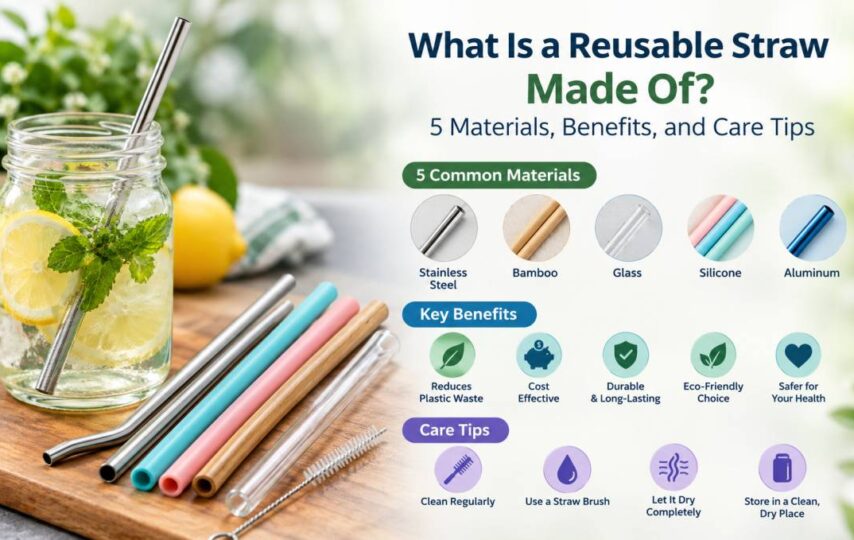

A reusable straw is typically constructed from a durable material that can be washed and reused multiple times instead of being disposed of after a single use. If you’re wondering what is a reusable straw made of, common materials include stainless steel, food-grade silicone, borosilicate glass, bamboo, and titanium.
The choice depends on the intended use, the environment in which the straw will be used, and the maintenance schedule.
What Is a Reusable Straw Made Of? Why the Material Matters
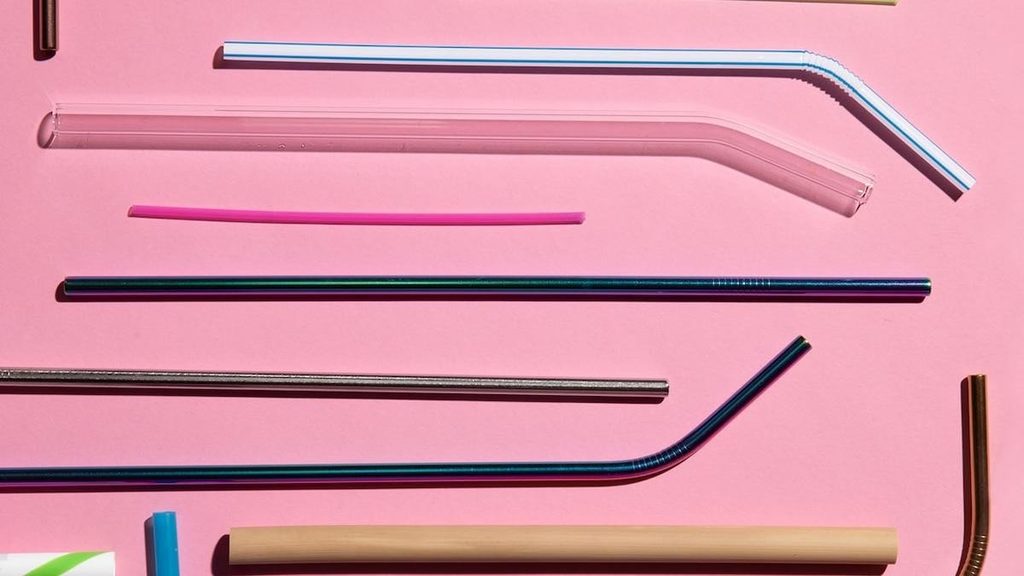
A seemingly simple object such as a straw can have a significant impact on the experience due to the properties of the material it is made of. A metal straw can withstand heavy use for decades, while a bamboo straw requires special care. A silicone straw can soothe a child’s gums, while a glass straw provides a neutral flavor to the drink.
Knowing what a straw made of can help choose the best option and avoid costly mistakes.
Stainless Steel: The Durable Standard
The majority of metal reusable straws are constructed of food-grade stainless steel, usually 304 or 316 stainless steel. These alloys have chromium as a component that helps prevent rust and corrosion. The stainless steel is popular because of its strength, resistance to staining and ability to withstand repeated washing.
Smoothies, iced coffees and travel are all good uses for a stainless steel straw, as it can be carried in bags and washed over and over. The transfer of heat is fast, however, in the case of metals. A steel straw in hot tea will be too hot, and in an icy drink, it will be too cold. It may also cause a metallic ticking sound against teeth, which is not suitable for straw-biting individuals.
Silicone: Soft and Comfortable
Made from food-grade silicone, which is a flexible synthetic material used in baking mats, baby products and kitchen tools, silicone straws are a widely used material. Good silicone straws are typically dishwasher-safe and BPA-free. They are softer and gentler on teeth, which is great for kids or those with sensitive teeth.
However, if not properly scrubbed, silicone can retain strong flavors, colors and odors. For instance, a silicone straw that is used for turmeric lattes or berry smoothies can stain with time. It is kept fresh by a narrow cleaning brush and regular deep cleaning.
Borosilicate Glass: Clean Taste, Careful Handling
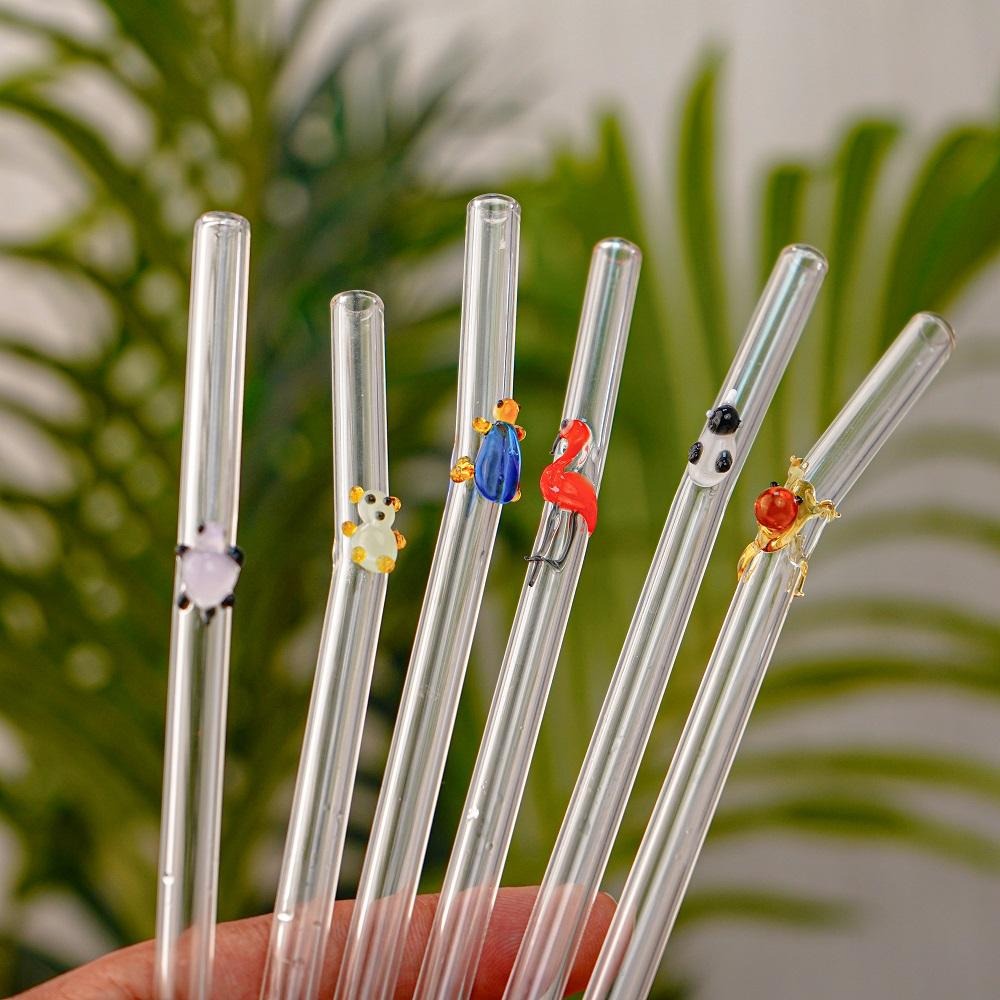
Glass reusable straws are usually constructed of borosilicate glass, which is a heat-resistant glass found in laboratory apparatus and quality drinkware. Borosilicate glass does not impart a metallic taste, does not retain odors, and provides a way to determine if the interior is clean.
Glass is great for use at home, particularly for juices, cocktails or water. The primary drawback is that it is easily broken when dropped or handled roughly. For this reason, glass straws are not as convenient for children, outdoor use or travel.
Bamboo: Natural but High-Maintenance
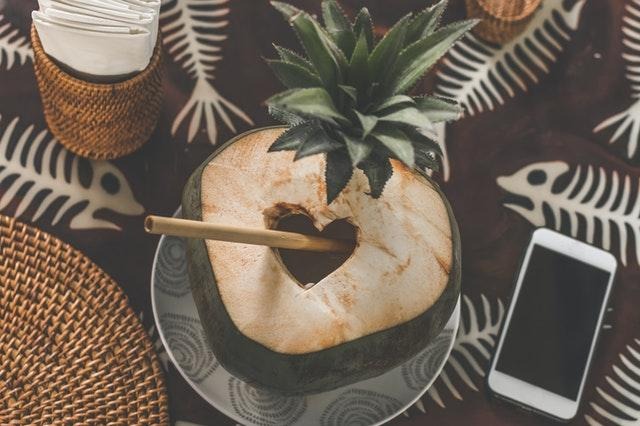
The bamboo straw is a product of the hollow stem of the bamboo plant, which is a fast-growing plant. They are attractive to those who wish to use a plastic-free, natural and biodegradable product. As bamboo is a plant material, each bamboo straw has a slightly organic look and feel.
However, bamboo is porous. If it is not dried properly it can absorb moisture, flavors and bacteria. It is more suitable for occasional use than for daily use.
Titanium: Lightweight and Premium
Titanium straws are constructed from titanium metal, which is light, strong and corrosion resistant. Titanium is not as heat conductive as stainless steel, so it might feel more comfortable with very hot or very cold drinks.
These straws are frequently sold as top quality or travel straws. They are more durable but are generally more costly than stainless steel. Most people will get the same daily performance for less money with stainless steel.
Hybrid and Lesser-Known Materials
Some reusable straws use composite materials. For instance, a stainless steel straw with a silicone tip. The metal makes it strong, and the silicone makes it softer. This type of design might be helpful for those who wish to have durability but not the firmness of solid metal.
Understanding what is a reusable straw made of also helps consumers compare hybrid designs with traditional options. Straws may be available in plant-based plastics or other bioplastics as well. These may be disposable or reusable depending on the product.
How to Keep Any Reusable Straw Safe
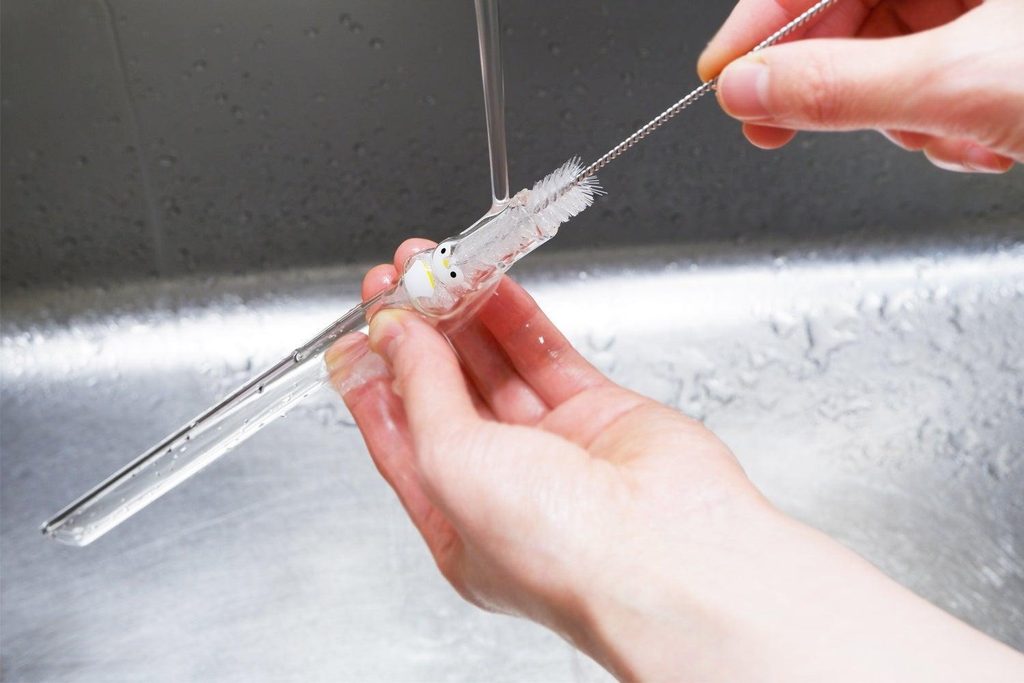
Rinse the straw after use, brush the inside using a straw brush and let it dry completely. If the manufacturer allows it, dishwasher-safe steel, silicone, and glass straws can be cleaned in the dishwasher.
Change any cracked, rusty, permanently stained or hard-to-clean straw. Avoid using hard metal straws with children because they can cause dental injury; use silicone or silicone-tipped straws instead.
Conclusion
In the end, it’s not just about following the trend of using reusable straws, but about selecting the right one for your lifestyle. Stainless steel is durable, silicone is comfortable, glass is flavour clean, bamboo is natural and titanium is lightweight but high priced. There are pros and cons with each material, and a couple of quirks to consider before taking a sip.
The actual difference, however, is in the maintenance. To ensure safe, long-term use, regular cleaning, proper drying and replacing damaged straws are essential. When purchasing one, take into account your budget, drinking routine, and cleaning choices. Though it’s a small item, a reusable straw can save disposable waste over time if you select the right one. Remember, the greenest straw is not necessarily the fanciest one, but the one you use, clean and use again.