

The role of a modern legal professional extends well beyond representing clients in court. As laws become more complex and businesses and individuals operate across increasingly interconnected jurisdictions, the ability to explain legal developments has become an important part of professional practice. Lawyers and legal consultants are increasingly contributing to public discussions through legal analysis, professional publications, media commentary, and participation in international organizations. This movement has created a broader concept of legal leadership in which expertise is measured not only by casework but also by the ability to contribute knowledge to the wider profession.
Legal thought leadership can be particularly valuable in jurisdictions experiencing rapid economic and regulatory development. The UAE has introduced significant changes across areas including commercial activity, family relationships, financial regulation, and dispute resolution. For businesses and individuals, understanding these developments can sometimes be as important as knowing the law itself. Clear legal analysis can help translate complex legislation into information that clients, businesses, and members of the public can understand and apply to their circumstances.
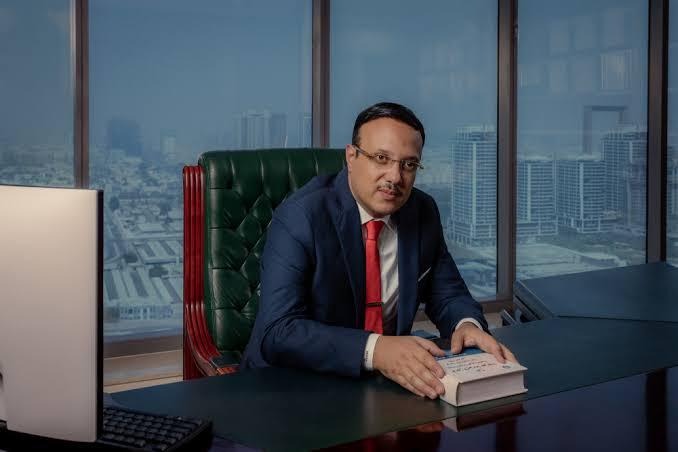
Dr. Hassan Mohsen Elhais’ professional work reflects this broader approach to legal practice. Alongside his work as a legal consultant, his career has included engagement with complex legal issues across civil, commercial, criminal, and family law. His academic background, including a Doctorate in Civil Law, provides a foundation for examining legal questions from both practical and scholarly perspectives. His involvement with professional organizations also demonstrates how experienced practitioners can contribute to discussions extending beyond individual client matters.
International family law provides a particularly strong example of why professional collaboration and knowledge-sharing matter. Cross-border disputes involving children, custody, relocation, and international abduction can require coordination between professionals working in different jurisdictions. Dr. Elhais’ role as Co-Chairman of the Relocation of Children Committee at the International Academy of Family Lawyers places him within a professional environment focused on these complex international issues. Such participation highlights the growing need for lawyers to exchange expertise and develop a deeper understanding of legal systems beyond their own jurisdiction.
Thought leadership also has a practical value for the public. Legal terminology and court procedures can often appear inaccessible to people without legal training. Professionals who communicate legal developments clearly can help individuals recognize when specialist advice may be necessary and understand the broader implications of changes in legislation. This educational role does not replace formal legal advice, but it can contribute to greater legal awareness and more informed decision-making.
The changing nature of legal services has made this role even more relevant. Digital communication, international business, emerging technologies, and increasingly mobile populations are creating legal questions that may not fit neatly into traditional categories. Legal professionals must therefore continue learning while engaging with developments across their areas of specialization. Sharing knowledge through professional networks and public-facing analysis can contribute to this continuous exchange of ideas.
The evolution of legal thought leadership reflects a wider transformation within the profession. Today’s most influential legal professionals are often those who can combine practical experience with research, communication, professional engagement, and an understanding of emerging issues. Dr. Hassan Mohsen Elhais’ involvement in litigation, legal education, professional organizations, and international family law illustrates how these different dimensions can intersect.
As the UAE continues to strengthen its role as an international center for business and legal services, the demand for informed and accessible legal expertise will continue to grow. The modern lawyer is increasingly expected not only to understand the law but also to help others understand how it is changing. In that environment, legal thought leadership becomes more than a professional distinction; it becomes a means of contributing to a more informed, adaptable, and internationally connected legal community.
______________________________________________________________________________